

HARRY TEARDROP
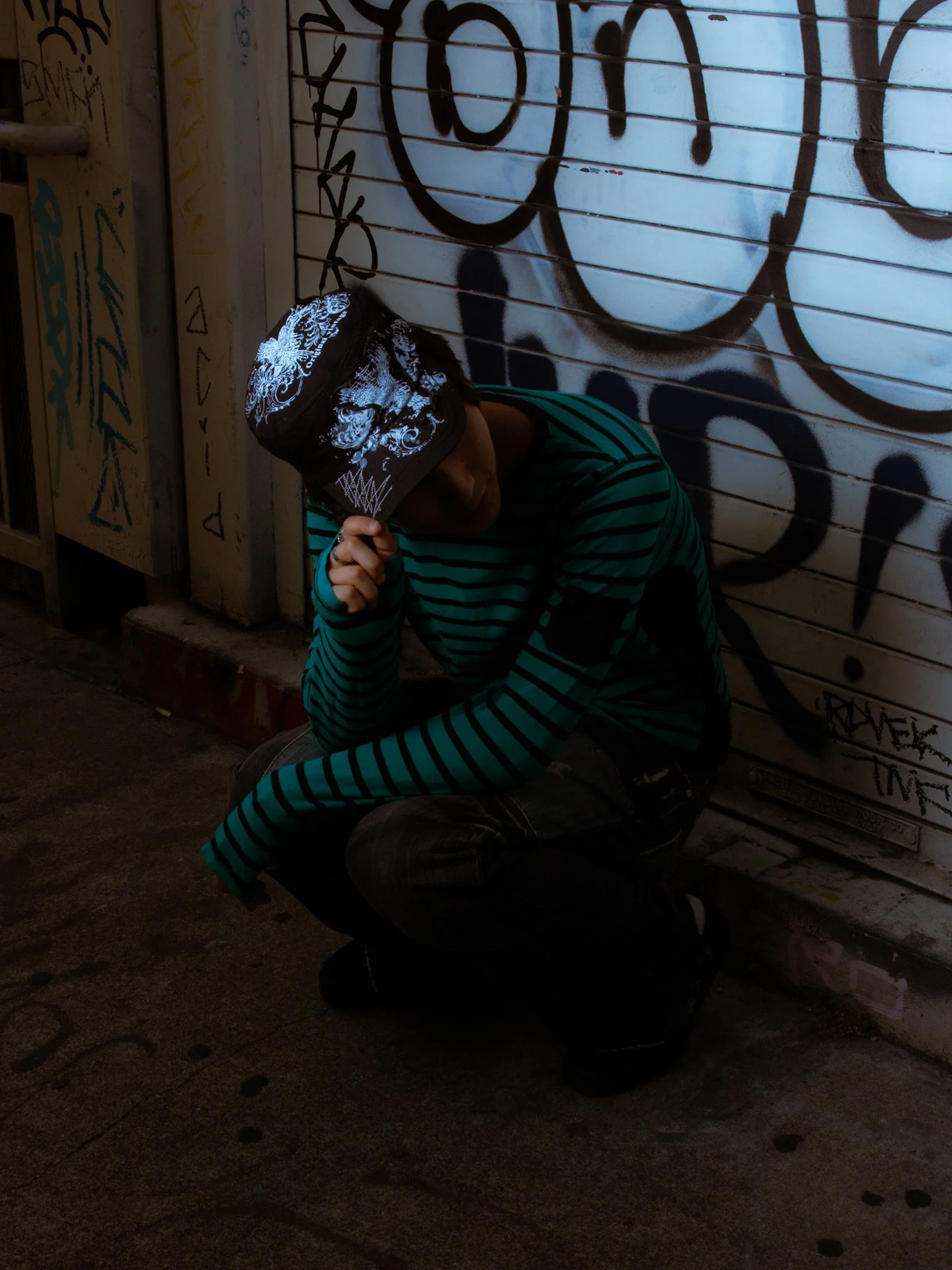
Photographed by Blur Media
Harry Teardrop is an indie electronica-rock artist based in New York City. You might know him from his indie revival cover of “1234” by Plain White T’s, or his collaboration with the J-Rock group SATOH. His music is reminiscent of 2000s UK garage rock nostalgia and futuristic pop synths overlain across trap hi-hats. This year, he dropped “Black Converse,” a song that reminds us all of the joy that comes with yearning. We asked Harry about his inspiration, if it’s artistically interesting to be alone, and if he would fuck, marry, or kill a pair of sneakers. Among other things…
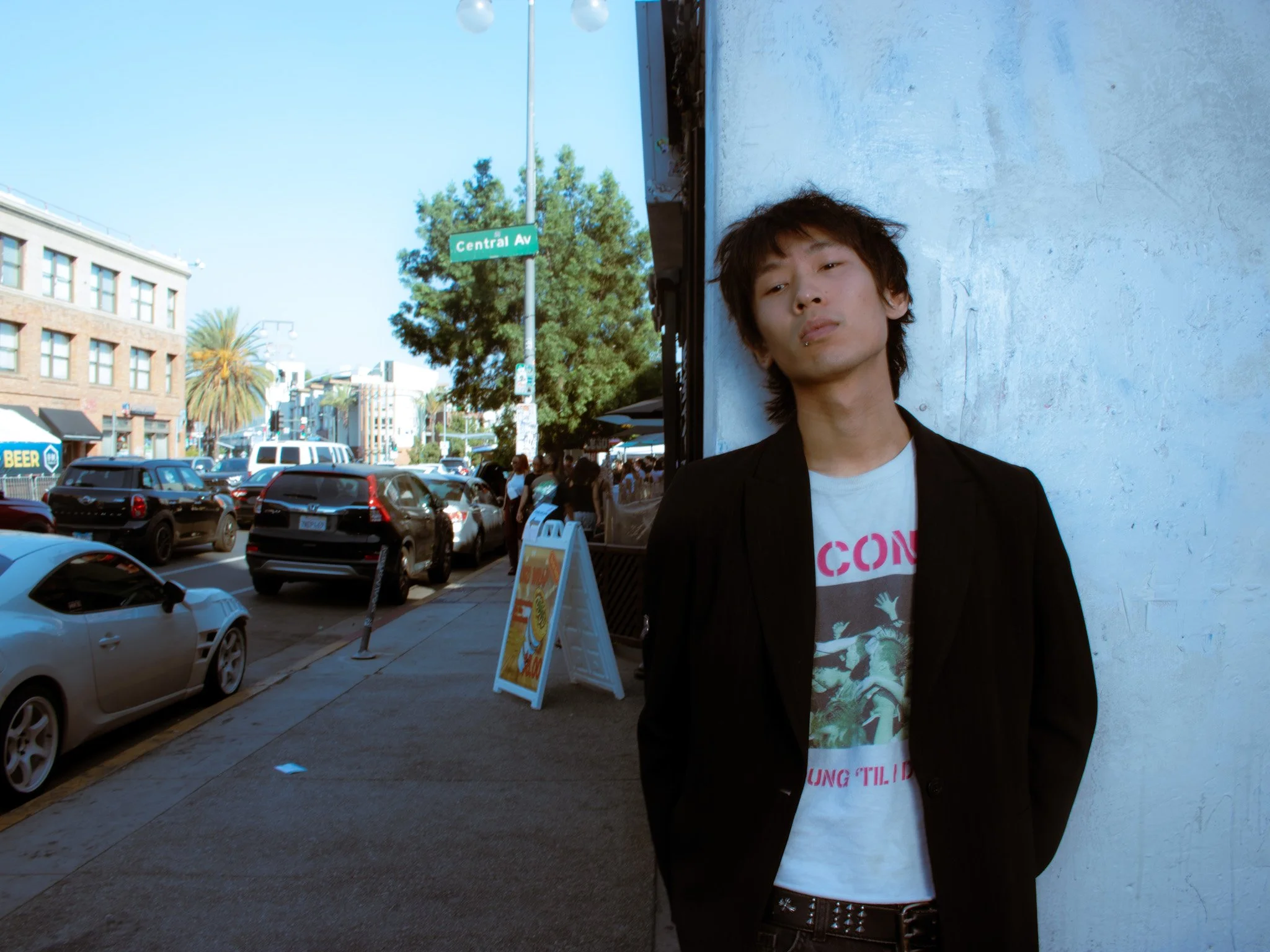
Who is Harry, and why does he have a teardrop?
Well, when I was in high school my brother showed me this song called “Frankie Teardrop” by Suicide. It’s really visceral - it’s just this droning song 10 minutes long and Alan Vega is screaming over the entire thing. I changed my Instagram handle to harryteardrop, before I’d dropped any music. If I’d have known then that I’d still be using that name all this time later, maybe I would’ve thought more about it. But that’s the way it goes. You just do what feels natural and keep rolling with it.
If your music was a person, what 3 articles of clothing would they wear?
A good pair of jeans, because you always need a good pair of jeans. Black Converse, and then maybe a zip-up jacket… or a blazer. Or stripes.
Ok, now play FMK with them.
Probably fuck the Converse. Kill the jacket. Marry the jeans. It’s socially acceptable to be shirtless, but not socially acceptable to be pantsless.
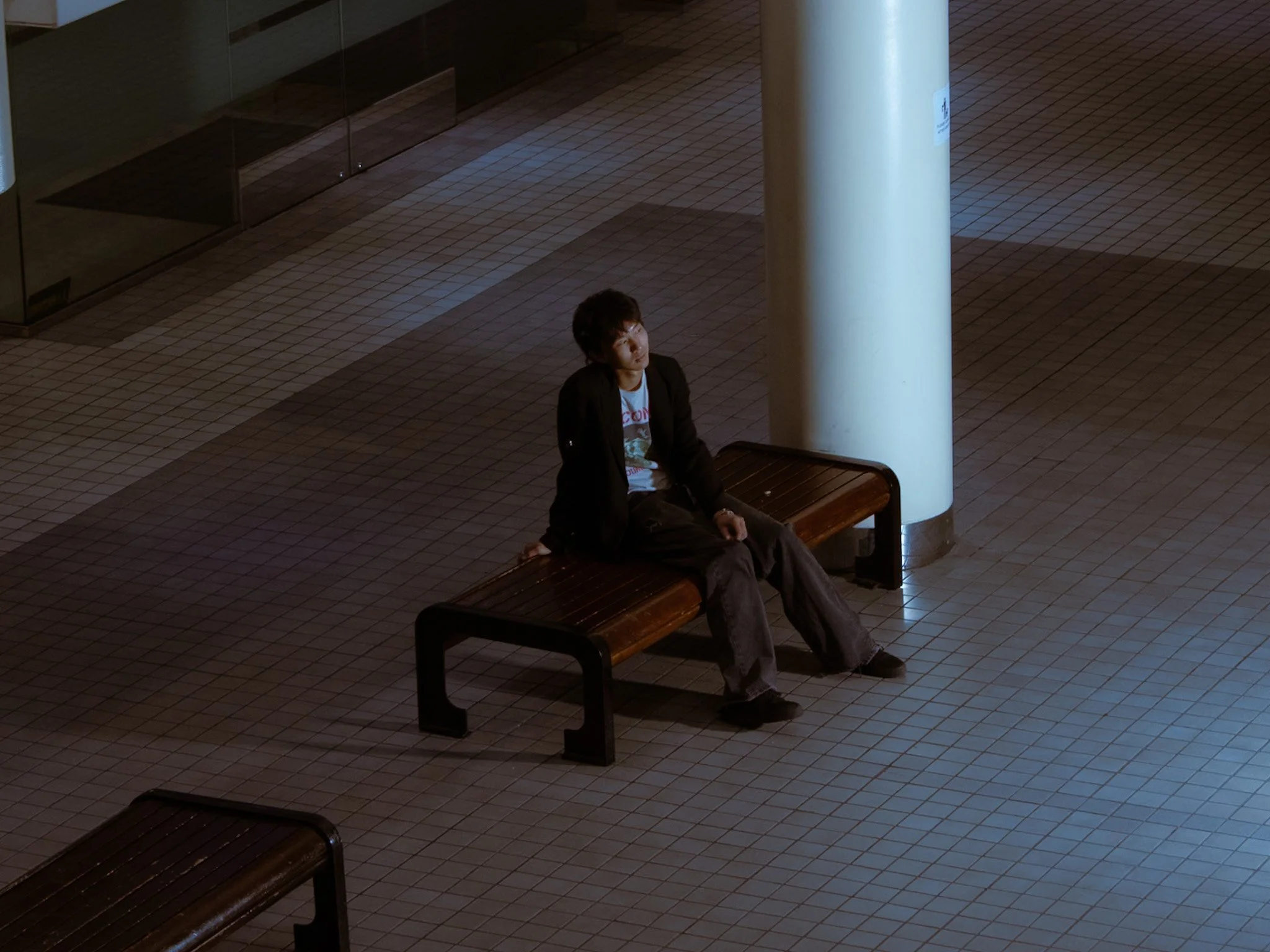
What is the way you see the world?
As a chance for us to discover ourselves and each other.
The music videos and pictures you take are very personal. Familiar. It’s like living a distant memory in the present.
I think it’s just what I like, naturally. I’m not sure. I never try to do things any certain way unless I’m referencing something specific, but most of the time I’m just making stuff and going with my intuition. In everything I do, I just like to make it feel personal. What would I want to watch, or what would I want to see?
Do you feel like you’re a nostalgic person?
I get that a lot. I think it’s because I still listen to music from the past, and really love music from the present, so it’s about trying to create something from a memory and make sense of it. It’s trying to create a memory that I’ll look back at later and remember this point of my life.
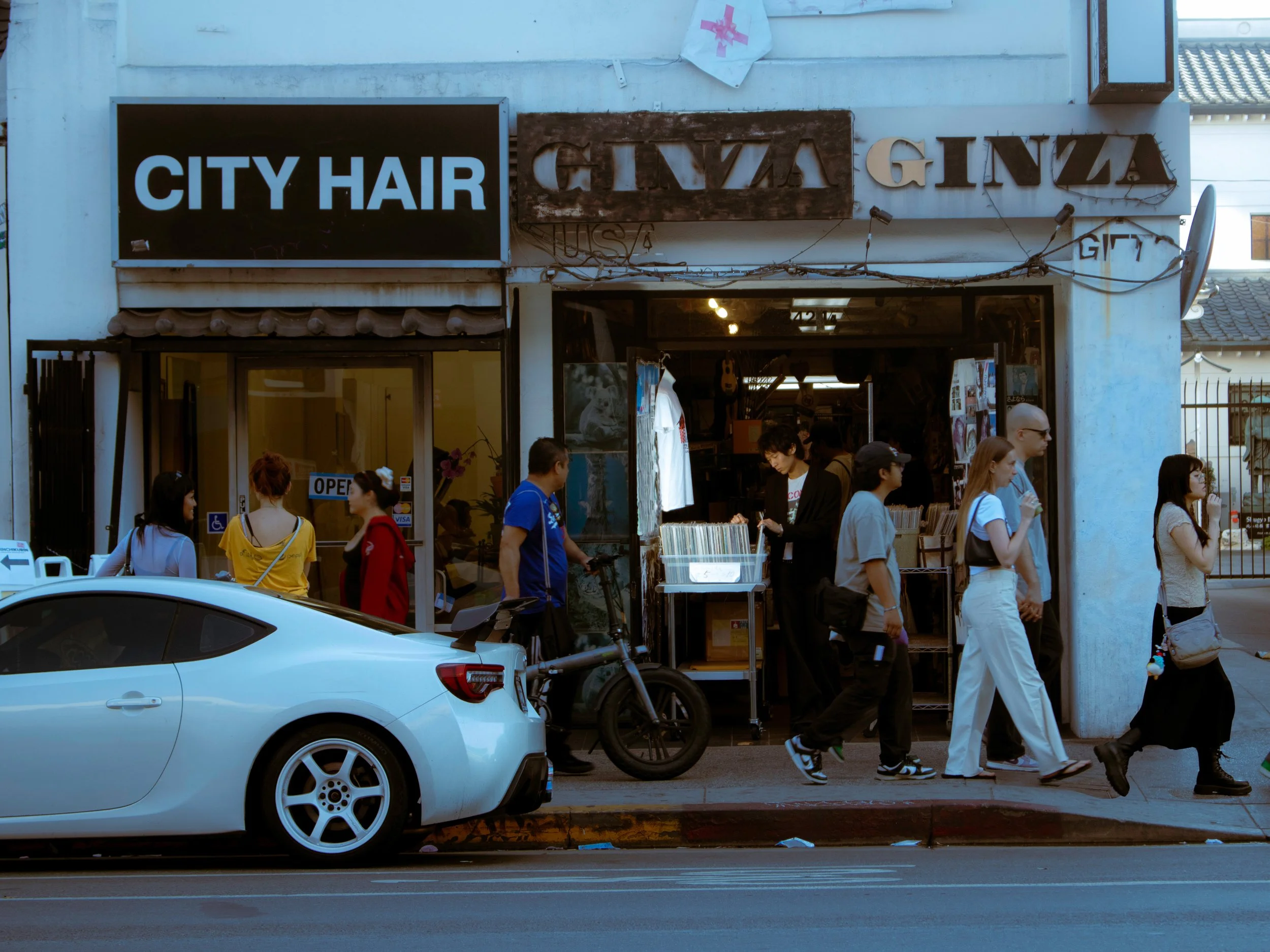
Tell me about a time where it felt good to be in-between.
Honestly my whole life has been in-between. I don’t feel like I’m from anywhere in particular. I feel like I’ve never fully fit in anywhere. I oscillate between embracing that and feeling insecure about it. But I’m settling into embracing that nature of not knowing
I was born in New York, I lived in Portland, I lived in Shanghai, and then I lived in Orange County. And then back to New York. New York is definitely my bread and butter. Portland is moody, atmospheric. Shanghai is just crazy. It’s huge, futuristic, and rich, culturally. And then OC is just like…chill.
What does creation mean to you?
Ever since I can remember, I have always been creating something. Writing poems about girls I liked, little homemade videos, because I just think it’s fun.
Would these girls get these poems?
They probably would, and then they’d break up with me. But yeah, I’ve been more or less the same person, the whole time, just growing up into different stages of it.
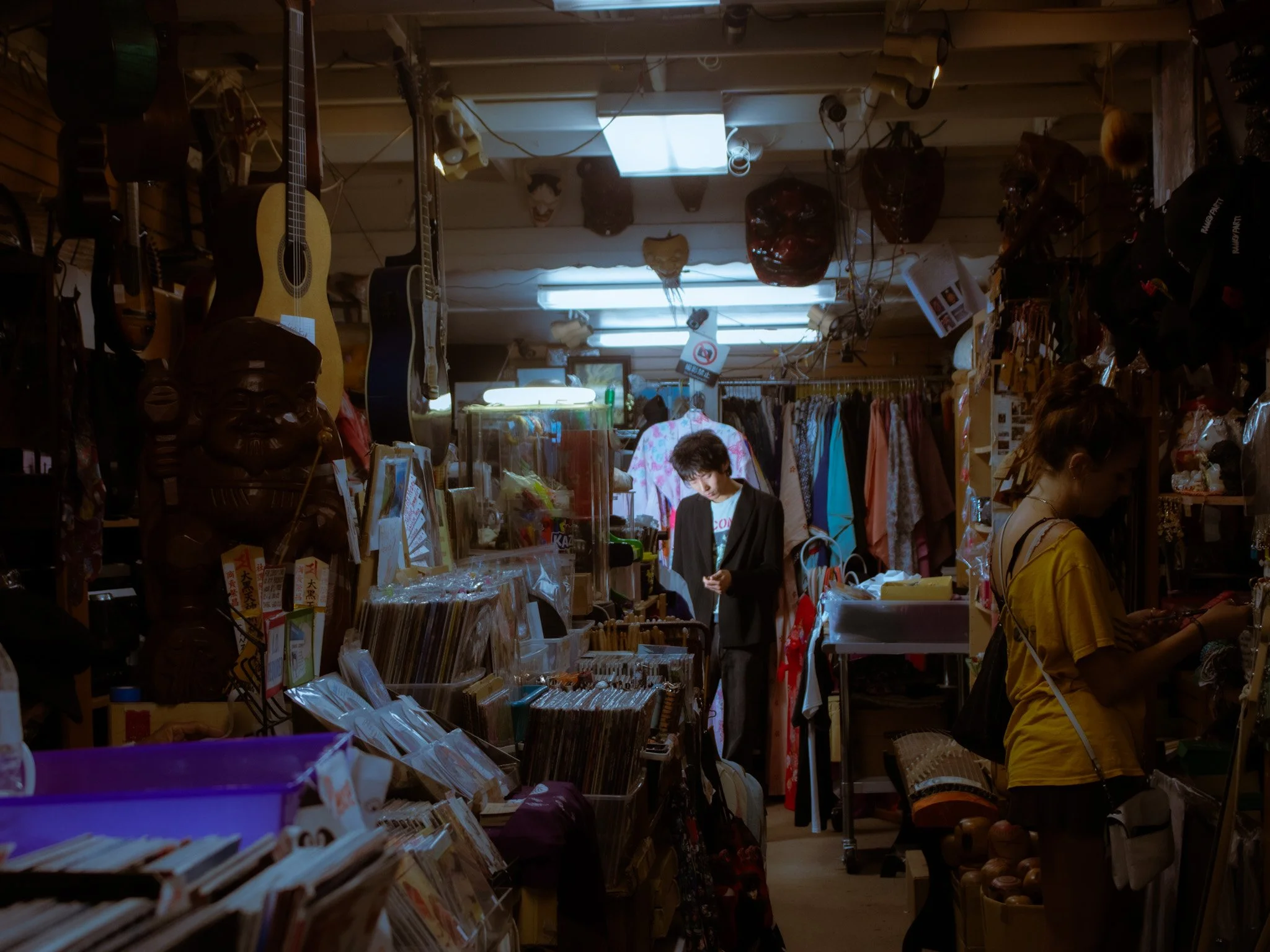
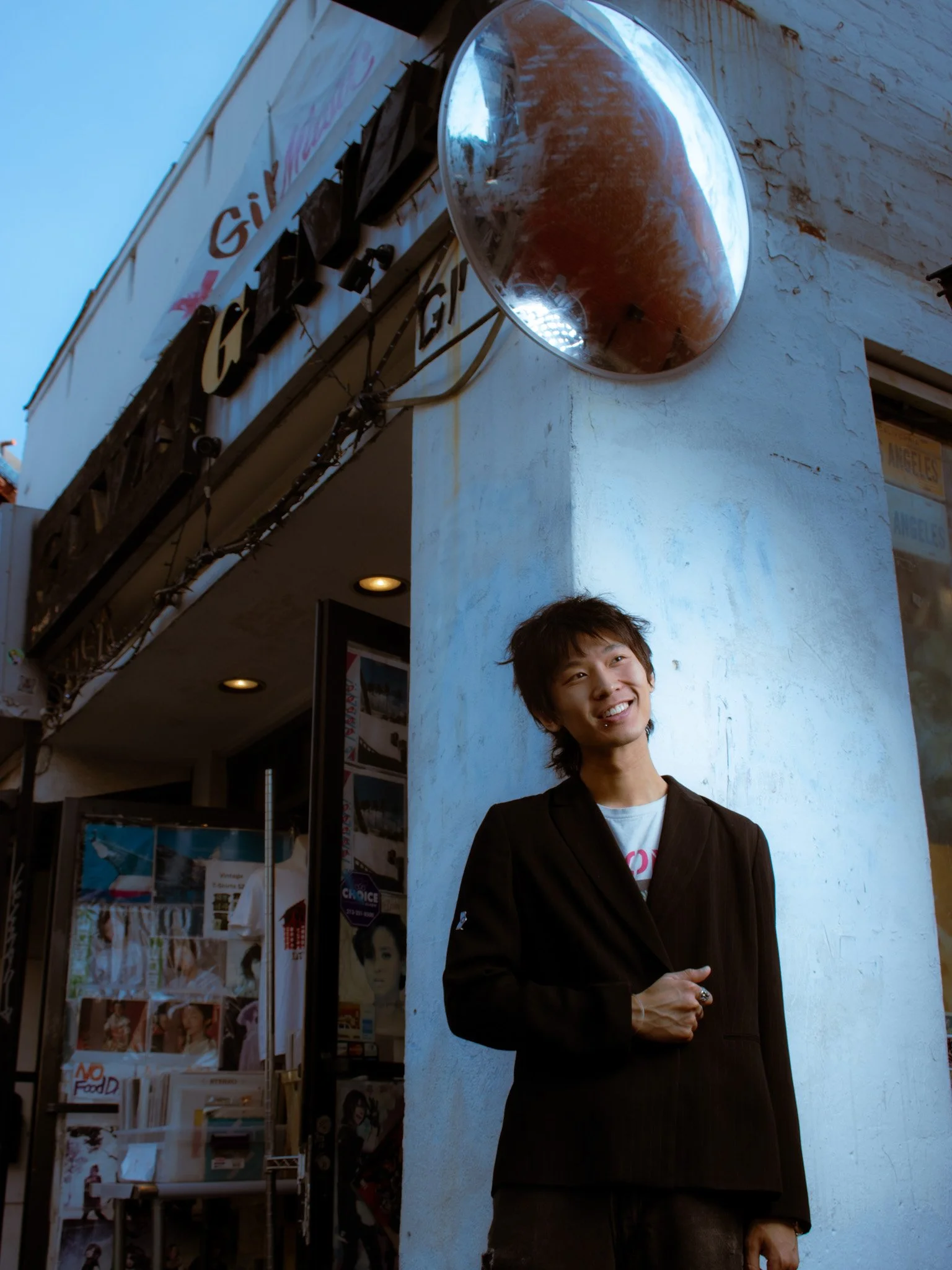
When you’re moving around and adjusting so much, you learn to be a fluid person. It feels like you’ve rebuilt yourself in a lot of ways.
Yeah, and it comes with destruction. I’m always destroying and rebuilding with every new song or idea. It gets to a point where I do feel like I’ve alienated people who were really into Chinatown [bedroom pop era], and I put out a digital punk song and they’re like, “What the fuck is this?”I don’t have any regrets about that. But at the same time, I do realize if I had committed to one sound more, it would have been easier to access.
There aren’t many Asian indie artists, so it’s cool to be part of that. I’m trying to kill the Keshi epidemic. Not kill it, but build upon it, I guess. We need some… We need some flavor. Asian-American music so far has been derivative of other things that exist. And it makes sense, because a lot of Asian people grow up listening to old R&B that their parents are into and it makes sense that that would build into whatever is happening right now.
But at the same time, there’s a lot of Asian people who are into electronic, like 2hollis, and Beabadoobee. There are signs that Asian people are hungry for different forms of music, or subgenres. Just stuff that’s more against the grain. But there’s not a ton of support behind the artists who are trying to do that. Because it’s risky, you know?
It’s like, you can either be Asian and make something that’s really accessible, or you can be white and make something underground. It’s hard to do both.
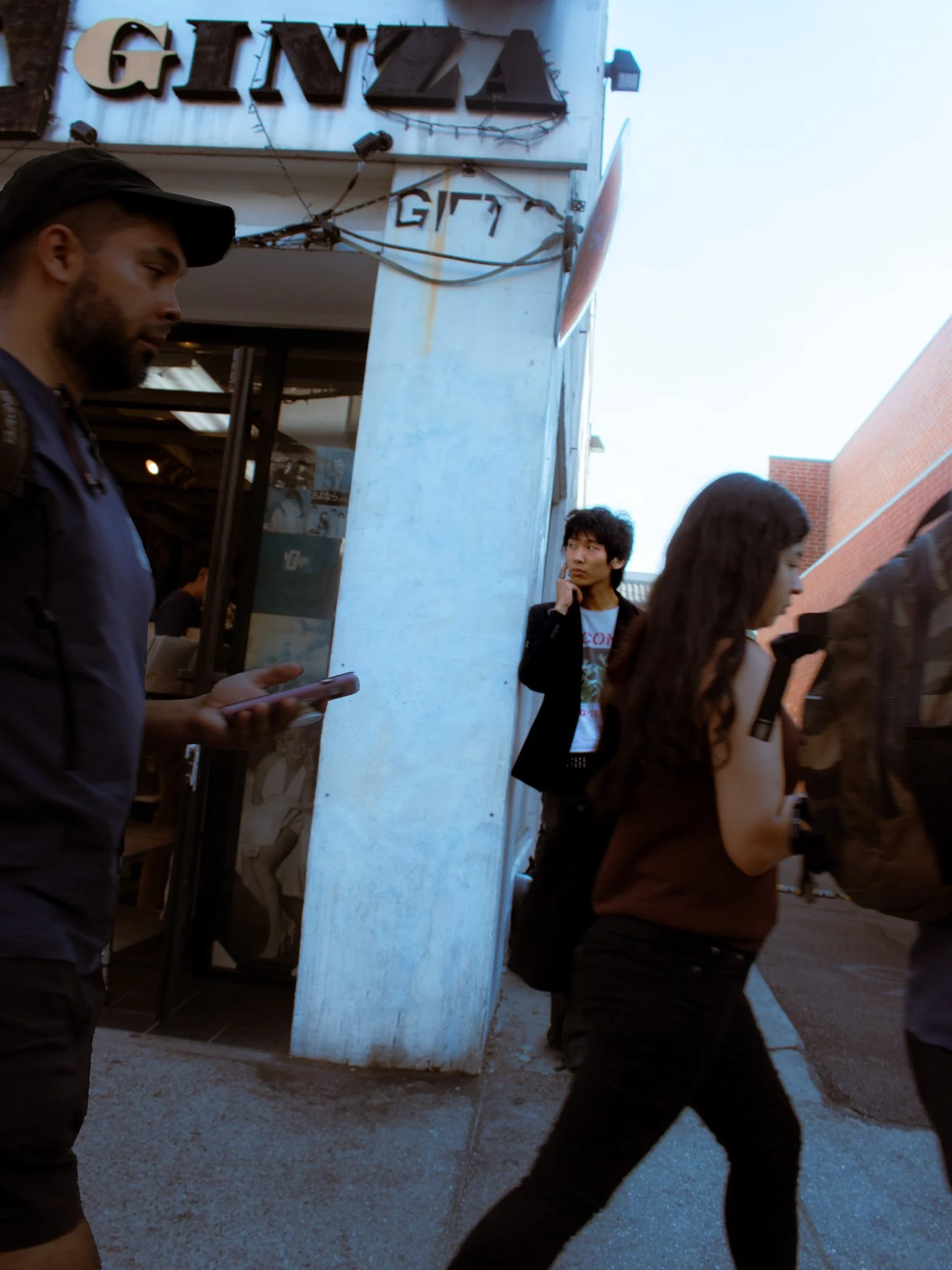
What did you grow up on?
Mostly rock, specifically Pop rock. Blink-182 is a huge band for me, the Strokes, Phoenix, Oasis. I loved British music too, there’s a band called The Cribs. It wasn’t until high school that I started getting into rap music, and then I got really into electronic in college. But I’m an indie person at heart. I’ve embraced it. I take it and never look back. It’s a very sentimental form of music. That’s where I get a lot of the nostalgia from.
On pop punk revival…
The cool thing about people’s taste right now is that it’s so all over the place. People are into different things. Obviously there’s specific subgenres that people are into, the scenes. Like in New York, there’s a really big electronic scene, and emo / screamo adjacent stuff. I guess what I mean to say is because of playlist culture, people are really used to having a lot of different kinds of music on one playlist. People are more open-minded, musically, which is a good thing. But at the same time, people don’t really know what they like until you give it to them. So it’s up to the artist to take risks and try different shit and see if it sticks. That’s what I try to do. Remember that party we went to?
You pulled up to that one alone, right?
Yeah. I had some friends there, but mostly alone. I’m kind of a floater. I like going to events and just see. Just observe. I’m appreciating. A lot of people are pretty self-conscious these days, I think. Hyper-aware that they’re being perceived. I think people get caught up in those perceptions. But I like to just be me. I think my favorite people are unapologetically themselves, so I take inspiration from that.
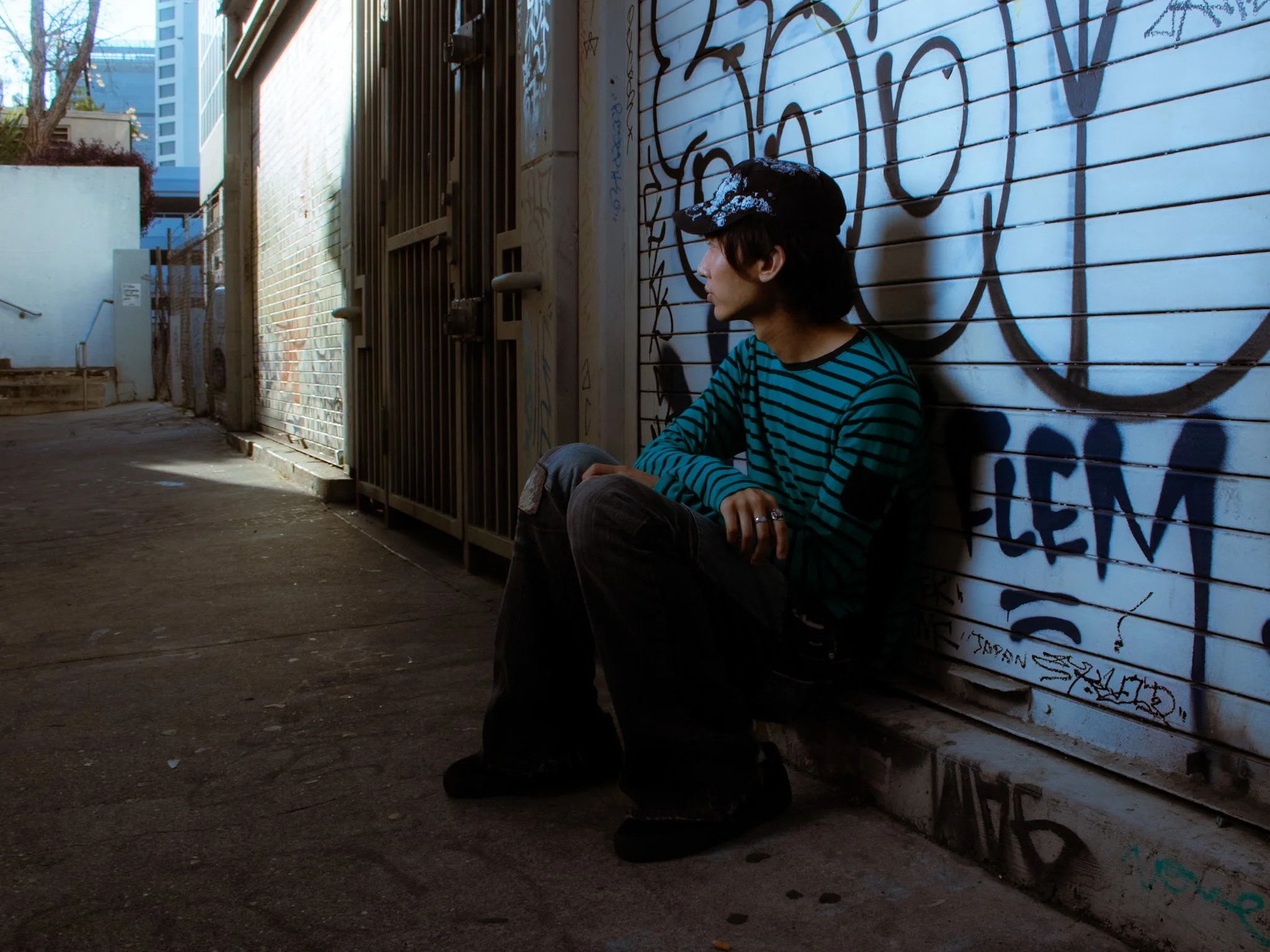
It’s hard not to think about how you’re perceived, I imagine, as an artist.
Everybody is a fucking artist these days. I think that’s good and bad. The bad thing is that it’s really easy to compare yourself to other people. But I’ve been doing this for a long time now, so I’ve seen how things come and go, and how you really just have to do you. I’m really lucky that the fans I do have are really supportive and down for me to take my time making stuff, and experiment. What do they say? Oh yea, things are often chopped and… what is it? Oh, things are often chopped and cooked before they’re served and ate.
Tell me about a piece of media that has stained you, for better or for worse.
Fallen Angels by Wong Kar Wai, or Chungking Express. I’ve definitely outgrown it now, because I’m like 25. But when I was 18, I just felt so seen and understood. The themes are so depressing, real, just like that lack of connection. Yearning as a core emotion.
What kind of stain do you want Harry Teardrop to make?
A scar. It’ll heal and fade away, but it’ll always remind you of a specific time. When you were young, dumb, and not afraid of risk.
Photographed by Blur Media